
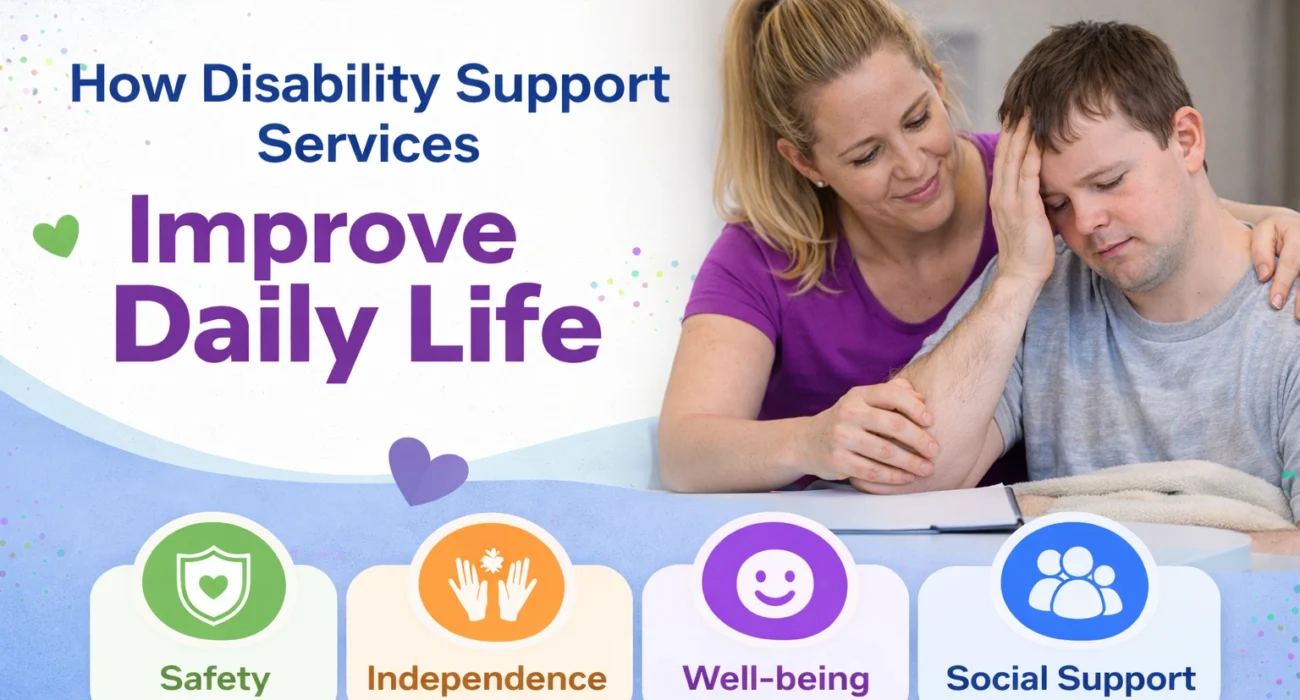
Living independently can be challenging without the right support. Support systems designed for people with disabilities make everyday activities easier, safer, and more manageable. With the right daily-life support, tasks that once felt difficult can be handled more easily, helping people live more independently and comfortably.
Through proper NDIS support, there is a clear improvement in independence, safety, emotional well-being, and social participation. This blog explains how these services create real, practical improvements in daily life.
Better Support with Daily Personal Activities
Taking care of daily personal activities like bathing, dressing, eating, and mobility becomes much easier with the right support. Tasks that once felt tiring or difficult become easier, helping those in need maintain good hygiene and feel more confident in their daily routine.
When basic needs are supported properly, physical strain and mental stress are reduced. A consistent routine also helps the mind feel more organised and stable, improving overall well-being.
- Assistance with bathing, grooming, and hygiene
- Support with dressing and personal care
- Help with eating and meal routines
- Mobility support (walking, transferring, positioning)
Safer and More Comfortable Living Environments
A safe and well-managed living environment plays a big role in improving daily life. With proper support, the risk of accidents like falls or injuries is reduced, creating a more secure and comfortable space at home.
Feeling safe also reduces stress and improves mental comfort. When the environment is organised and monitored, daily life becomes more relaxed and predictable.
- Home safety checks and supervision
- Assistance with moving safely around the house
- Support with using equipment or mobility aids
- Maintaining a clean and organised living space
Increased Independence in Everyday Tasks
Building independence is one of the biggest benefits of proper support. Instead of doing everything for the person, support workers guide and assist them in carrying out activities independently, making everyday life easier and more manageable.
This technique improves self-confidence and reduces dependency. Through regular practice and memorized habits, individuals learn to manage daily activities, handle household tasks, make decisions, and improve their time management, helping them feel more capable and in control of their lives.
Improved Mental and Emotional Well-being
Emotional and mental well-being improve significantly when the right support is in place. Feeling supported reduces stress, increases confidence, and makes daily situations easier to manage. It also encourages more participation in everyday activities and social interactions. This also encourages higher participation in daily activities and social interactions, and helps individuals feel more connected and included.
Regular routines and consistent support help lower stress levels, improve mood, and bring mental clarity. Emotional support, companionship, and small daily achievements build self-confidence, while a stable routine creates a strong feeling of comfort and confidence, supporting long-term independence and quality of life.
Greater Social and Community Participation
Being socially involved improves mental health and builds confidence. It also helps develop communication skills. Staying socially active becomes easier with the right level of support. Reduced isolation allows people to engage in activities, build relationships, and feel more connected to their community.
Social interaction improves mental health and helps those in need feel valued and included. Being active in the community also builds confidence, communication skills, and a sense of belonging, which supports overall well-being and independence.
- Attending social events and group activities
- Participating in hobbies and community programs
- Support with travel and getting around in the community
- Building friendships and social confidence
- Developing communication and interpersonal skills
- Gaining confidence in new environments
- Encouragement to try new activities and experiences
- Improving independence in community settings
Relief and Support for Families and Caregivers
Support services also benefit families and caregivers by sharing responsibilities and reducing pressure. This helps prevent breakdown and allows families to maintain a healthier balance in their lives.
With professional support in place, caregivers experience less stress and can provide better emotional care. This creates a more stable and positive environment for everyone involved. When caregivers receive the right support, they experience less stress and can offer better emotional care. This creates a more positive and stable environment for both the participant and their family, improving overall well-being.
- Respite care and temporary support
- Reduced caregiver stress and workload
- Professional support for complex needs
- Better balance between care and personal life
- Peace of mind knowing loved ones are well cared for
- More time for personal responsibilities and self-care
- Improved family relationships and communication
- Access to trained and experienced support workers
Highly-Repeatable Routines for Stability and Confidence
Clear and structured daily routines bring stability and consistency to everyday life. Having a predictable routine makes tasks easier to manage and reduces confusion, helping people feel more organised and in control.
Consistency supports better focus, behaviour, and emotional balance. Regular schedules for daily activities, sleep, and meals help build independent habits, reduce anxiety, and improve confidence over time. Creating clear daily schedules and structured routines
- Supporting consistent sleep and meal times
- Building habits that encourage independence
- Reducing anxiety through predictability
- Improving time management and daily organisation
- Encouraging responsibility in everyday tasks
- Helping individuals adapt to changes more confidently
- Strengthening long-term independence and stability
Access to Professional and Personalised Care
Access to trained professionals ensures the right level of care and support for daily life. Each support plan is designed around personal goals, lifestyle, and required assistance, making the support practical and effective.
This type of personalised care leads to better outcomes by focusing on what works best. With professional support, participants benefit from consistent, safe, and high-quality care that adjusts as needed to their changing needs while staying coordinated with NDIS guidelines. This also helps participants receive the right level of support at every stage, helping them feel confident, secure, and well-supported in their daily lives.
Improving Daily Life with the Right Support
The right support system makes a real difference by improving independence, maintaining safety, and enhancing overall quality of life. From managing daily routines to building confidence and social connections, everyday living becomes easier and more meaningful.
With proper support, life becomes more comfortable, more organised, and more fulfilling. It also creates a positive environment not just for the person receiving care, but for families as well.
If you or your loved one is looking for reliable and personalised independent living support, Aspire Ability is here to help. Reach out today to explore how the right support can make a real difference in everyday life.